
The first time I baked with freshly milled grains, I didn’t expect much of a difference. Flour is flour… right?
But the moment the grain started milling, the kitchen filled with a warm, nutty aroma. When the bread came out of the oven, the flavor was deeper, richer, and more satisfying than anything I had baked before.
Since then, baking with freshly milled grains has completely changed the way I think about bread, pastries, and even simple pancakes. It isn’t about being complicated or baking like people did centuries ago. It’s about better flavor, better nourishment, and feeling more connected to the food we eat.
Fresh Flour Has Incredible Flavor
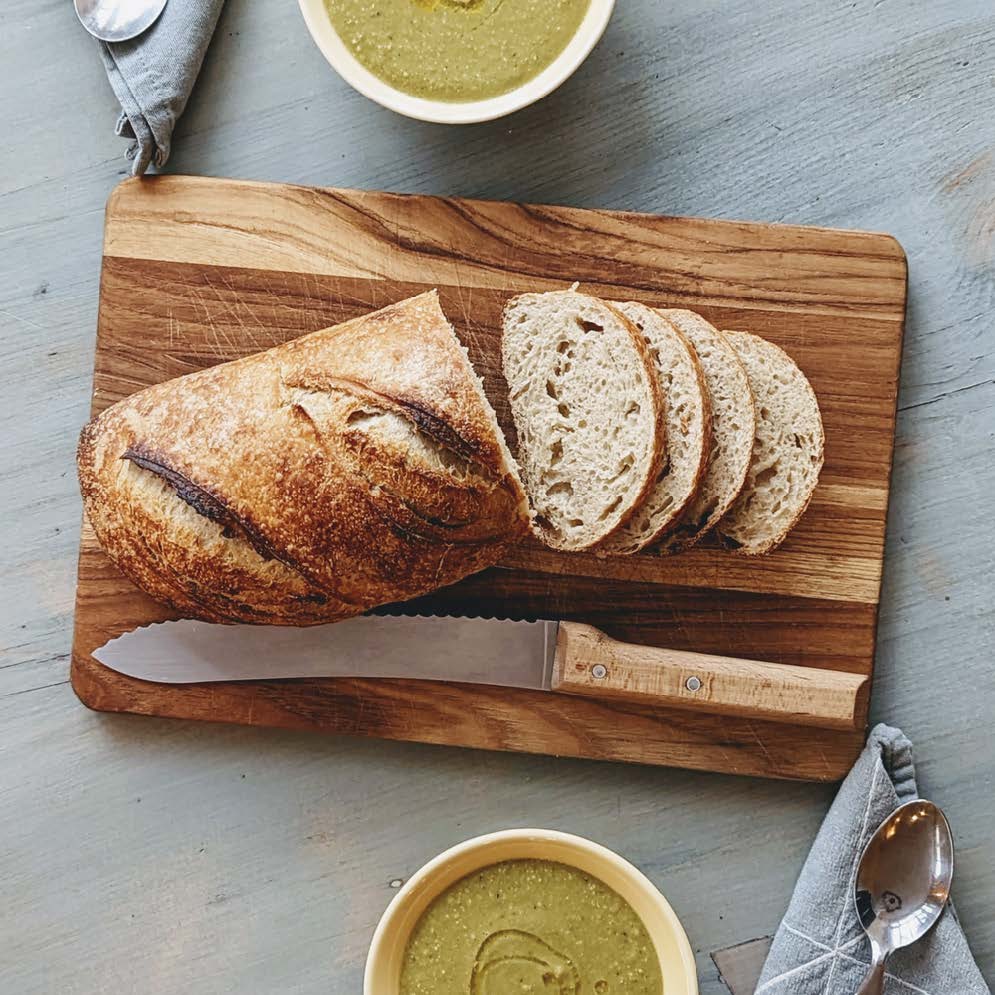 One of the biggest surprises when baking with freshly milled grains is the flavor.
Fresh flour has a natural sweetness and nuttiness that store-bought flour often lacks. Bread tastes fuller and richer, muffins have more depth, and even simple recipes seem to shine.
When flour is milled right before baking, it still contains the bran, germ, and endosperm — the full grain exactly as nature intended. Because the natural oils are still fresh, the taste and nutrition are much more vibrant.
Baking Feels More Natural
Fresh flour behaves a little differently, but in a good way.
Dough often feels more elastic and hydrated, and baked goods tend to stay moist longer. Bread made with freshly milled flour can remain soft without the need for preservatives.
There is a small learning curve. Fresh flour absorbs more water, and dough benefits from resting for a short time so the bran can hydrate. Once you get used to it, baking becomes more intuitive and enjoyable.
Knowing Exactly What’s in Your Food
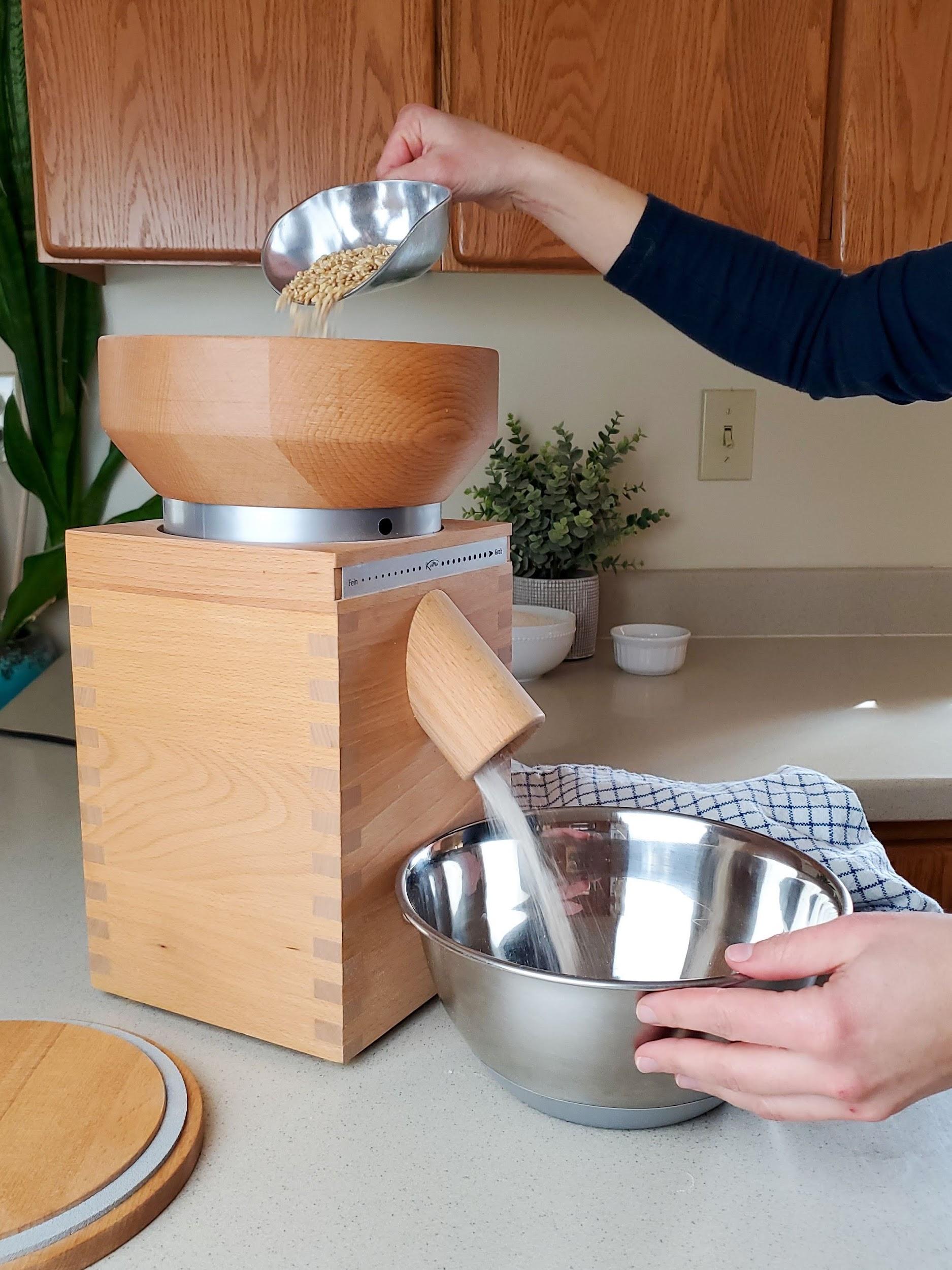 Another benefit of milling your own grains is knowing exactly what’s in your flour.
There are no bleaching agents, preservatives, or conditioners — just whole grain flour freshly milled in your own kitchen.
You can also choose the grains you want to use and experiment with different varieties or blends to create unique flavors and textures.
A Deeper Connection to Food
There’s something grounding about pouring whole kernels into a mill and watching them turn into flour.
It slows you down and reminds you where food really begins. Bread doesn’t start in a plastic bag at the grocery store — it starts in a field.
For many people, freshly milling flour turns baking into a simple but meaningful ritual.
Simple Tips for Getting Started
If you’re curious about baking with freshly milled grains, start simple.
Try using fresh flour for:
- Pancakes
- Flatbreads
- Muffins
- Basic sandwich bread
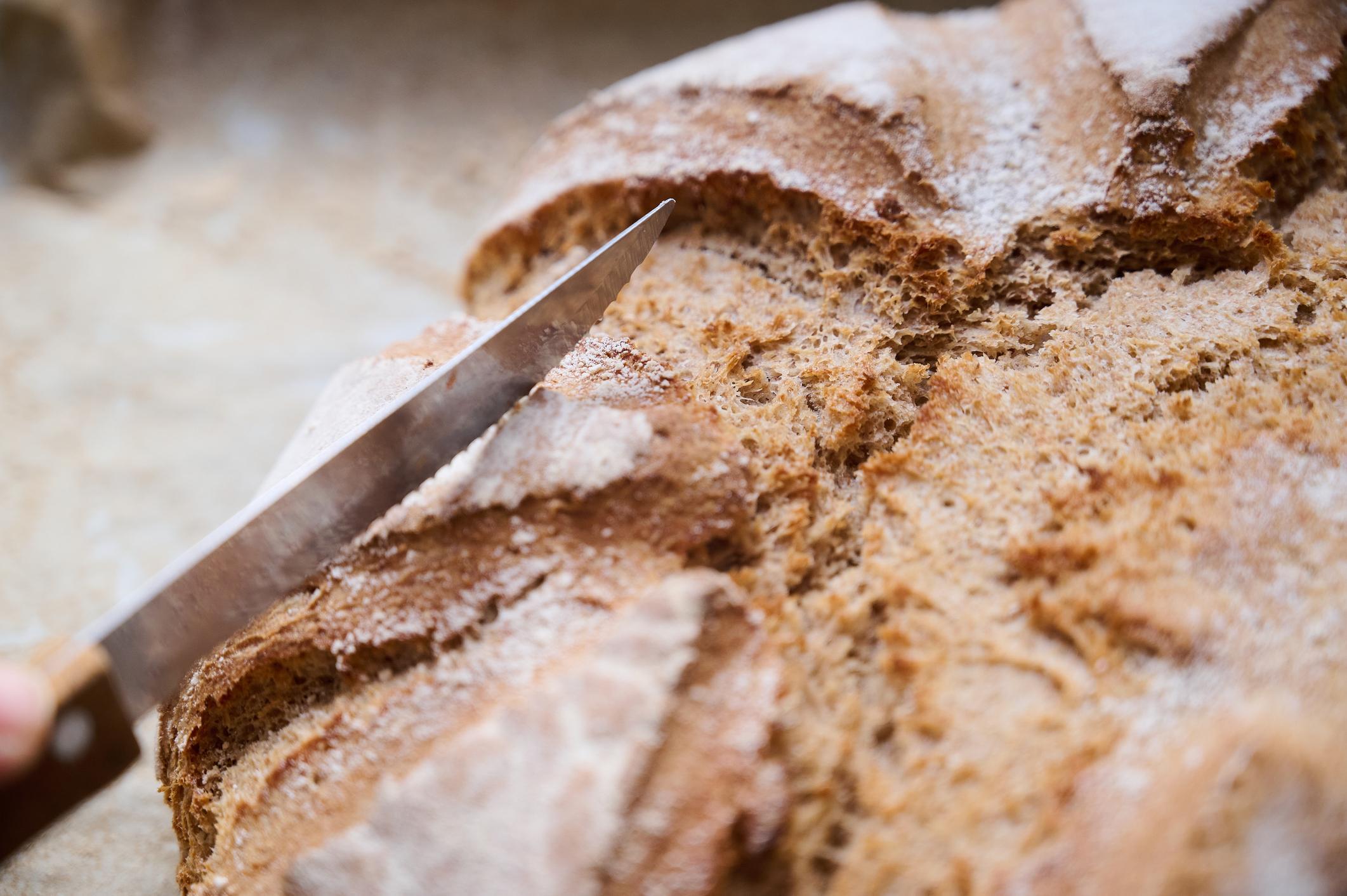 A few simple tips can make the process easier:
- Add a little extra water to dough
- Let dough rest before kneading
- Blend fresh flour with regular flour at first
You don’t have to change everything overnight. Even small steps can make a noticeable difference in flavor and freshness.
Final Thoughts
Baking with freshly milled grains isn’t about trends or perfection. It’s about rediscovering how good simple food can be.
The flavor is richer, the ingredients are simpler, and the process connects you more closely to the food on your table.
Once you experience the difference, you may find it hard to go back.