
Starting seeds at home doesn’t have to be messy, expensive, or complicated. If you’re looking for a space-saving, beginner-friendly, and Eco-conscious method, seed snail seed starting might be exactly what you need. This clever technique uses minimal soil, reduces waste, and makes transplanting seedlings easier than ever.
In this blog, you’ll learn what a seed snail is, why gardeners love it, and how to use seed snail seed starting step by step for healthier plants and less stress.
What Is a Seed Snail in Seed Starting?
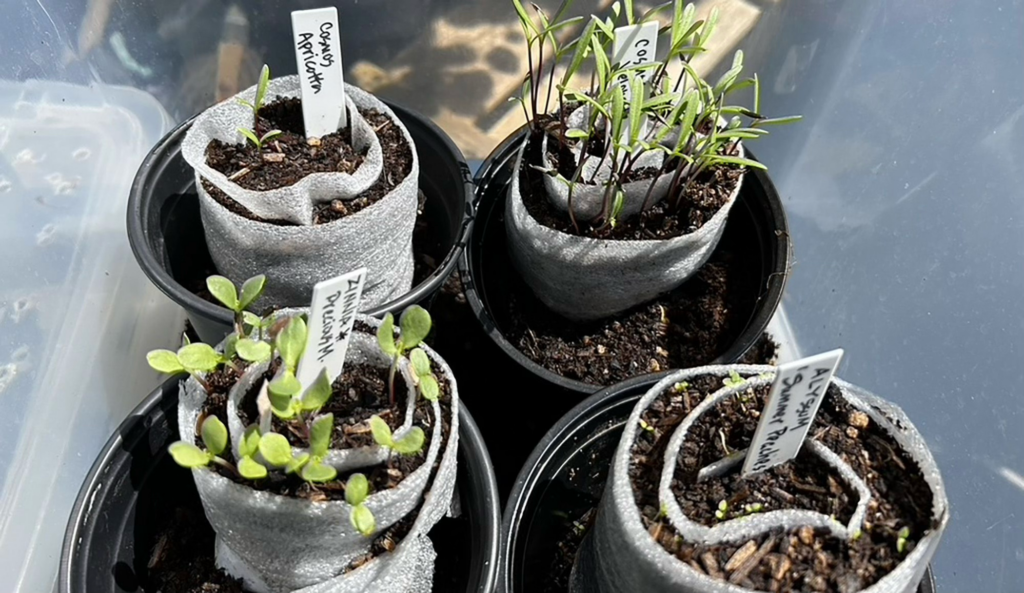
A seed snail is a rolled-up strip of flexible material—usually paper towels, newspaper, or thin soil layered on plastic—that holds seeds in a compact spiral shape. When unrolled, it resembles a snail shell, which is where the name comes from.
Instead of filling trays or pots with soil, seed snail seed starting allows you to germinate many seeds in a small footprint while keeping them organized and easy to monitor.
Why Choose Seed Snail Seed Starting?
Seed Snail seed starting has become popular with home gardeners for several good reasons:
- Saves space – Perfect for windowsills, small apartments, or crowded grow areas
- Uses less soil – Great if you want to cut costs or reduce mess
- Easy transplanting – Roots stay visible and untangled
- Beginner-friendly – Simple materials and low learning curve
- Eco-conscious – Can reuse paper, plastic, or biodegradable materials
This method works especially well for vegetables, herbs, and flowers that don’t mind being transplanted.
Materials You’ll Need
One of the biggest advantages of seed snail seed starting is how few supplies it requires:
- Paper towels, newspaper, or seed-starting soil
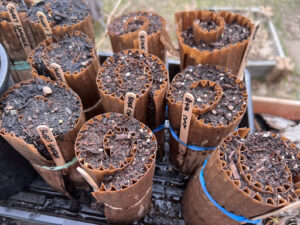
- Plastic wrap, a plastic bag, or flexible placemat (optional for soil snails)
- Seeds of your choice
- Spray bottle with water
- Rubber band or string
- Shallow container or cup
That’s it—no trays, no bulky pots, and no special tools.
How to Make a Seed Snail (Step by Step)
Step 1: Prepare the Base
Lay out your paper towel or soil layer on a flat surface. If using soil, spread a thin, even layer about ½ inch thick on top of plastic wrap.
Step 2: Add Seeds
Place seeds along one edge, spacing them about 1–2 inches apart. Leave a small margin at the top so seeds don’t fall out when rolled.
Step 3: Roll Into a Snail
Gently roll the strip into a loose spiral. It should be snug but not tight—roots need room to grow.
Step 4: Secure and Water
Use a rubber band or string to hold the snail together. Lightly mist with water until damp, not soaked.
Step 5: Stand and Cover
Place the seed snail upright in a shallow container. Cover loosely with plastic or a humidity dome until seeds sprout.
Best Seeds for Seed Snail Seed Starting
Not all plants behave the same, but many thrive with seed snail seed starting, including:
- Lettuce
- Spinach
- Tomatoes
- Peppers
- Basil
- Marigolds
- Zinnias
Avoid plants with long taproots (like carrots or beets), as they prefer direct sowing.
Caring for Seed Snail Seedlings
Once seeds sprout, remove any plastic cover to prevent mold. Place the seed snail in bright, indirect light or under grow lights. Keep the material consistently moist, but never dripping wet.
Because seedlings grow close together, check daily to make sure they aren’t overcrowded or drying out.
How and When to Transplant
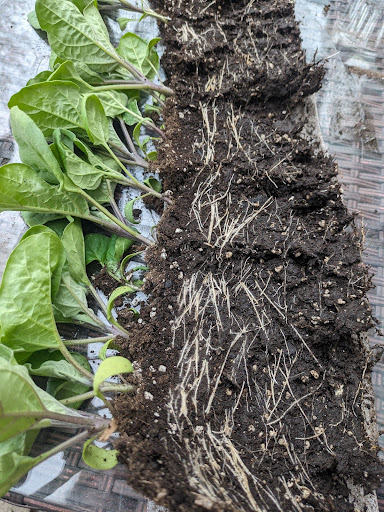 Transplanting is one of the easiest parts of seed snail seed starting:
- Unroll the snail gently
- Separate seedlings carefully (roots are usually visible and untangled)
- Plant each seedling into soil at the proper depth
- Water well and keep out of harsh sunlight for the first day
Seedlings started this way often experience less transplant shock than those grown in traditional trays.
Common Mistakes to Avoid
- Rolling the snail too tightly
- Over watering, which can cause mold
- Letting seedlings grow too long before transplanting
- Using poor-quality or old seeds
A little attention goes a long way with this method.
FAQs About Seed Snail Seed Starting
1. Is Seed Snail seed starting good for beginners?
Yes, it’s one of the easiest and least intimidating seed-starting methods.
2. Can I reuse a Seed Snail?
Plastic-based snails can be reused. Paper-based ones are usually composted.
3. How long can seedlings stay in a Seed Snail?
Typically 1–3 weeks, depending on plant type and growth rate.
4. Do I need fertilizer?
Not at first. Seedlings can be fertilized lightly after transplanting.
5. Can I use seed snails outdoors?
They’re best used indoors or in protected areas.
6. What if mold appears?
Improve airflow, reduce moisture, and remove affected material.
Final Thoughts
Seed snail seed starting is a smart, simple, and efficient way to grow seedlings—especially if you’re short on space or just getting started. With minimal materials and maximum results, this method proves that successful gardening doesn’t have to be complicated.
If you enjoy experimenting, saving money, and keeping things tidy, give Seed Snail seed starting a try this season. You might never go back to traditional trays again.