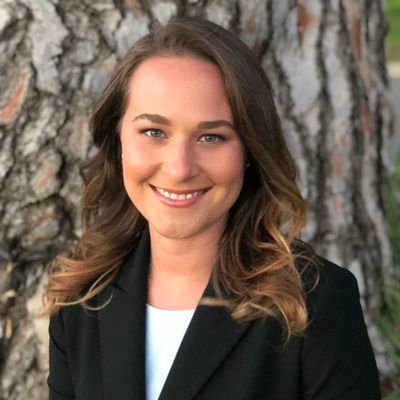
Erin’s background spans law, gerontology, hospice care, and community advocacy, and every part of her journey led to the same realization: our food system and healthcare system are deeply broken—especially for our elders. As she shared stories from her work in retirement communities and affordable senior housing, it became clear that this wasn’t theory. Erin had seen firsthand how older adults were over-medicated, under-nourished, and disconnected from real food, community, and purpose.
Much of our conversation centered on how society treats aging and the cultural loss that comes from separating generations. Erin challenged the modern tendency to hide elders away, reminding us that many traditional and Indigenous cultures place elders at the center of community life. We talked about how wisdom is transferred—not through screens or search engines, but through relationships. Gardening, shared meals, and time spent together are not just nostalgic ideas; they are proven ways to support mental health, physical well-being, and stronger communities. These themes align deeply with permaculture principles and the idea that healthy systems—whether soil or society—depend on diversity and connection.
Erin also made a compelling case for why food is medicine, but only when that food is fresh, local, and nutrient-dense. She explained how produce traveling thousands of miles loses much of its nutritional value and how poor food quality directly contributes to chronic disease, inflammation, and dependency on prescription drugs. The most powerful moments came when she shared real examples of people improving mobility, reducing medications, and reclaiming health simply by changing what they eat. That conversation reinforced something we believe strongly: rebuilding health starts with the soil, the garden, and the people growing our food. Caring for elders, restoring food systems, and rebuilding community are not separate missions—they are one interconnected path forward.